Choosing the right material for your business signage can make all the difference. Whether you’re looking for a temporary promotional sign, a durable outdoor display or professional signage for your premises, understanding the differences between Dibond, Foamex and Correx will help you make the right choice.
At PB Signs, we manufacture a wide range of bespoke signage using different materials to suit each project’s requirements, budget and environment. Three of the most popular materials we work with are Dibond, Foamex and Correx, but which one is best for your business?
In this guide, we’ll break down the key differences, benefits and common applications of each material to help you decide.
What Is Dibond Signage?
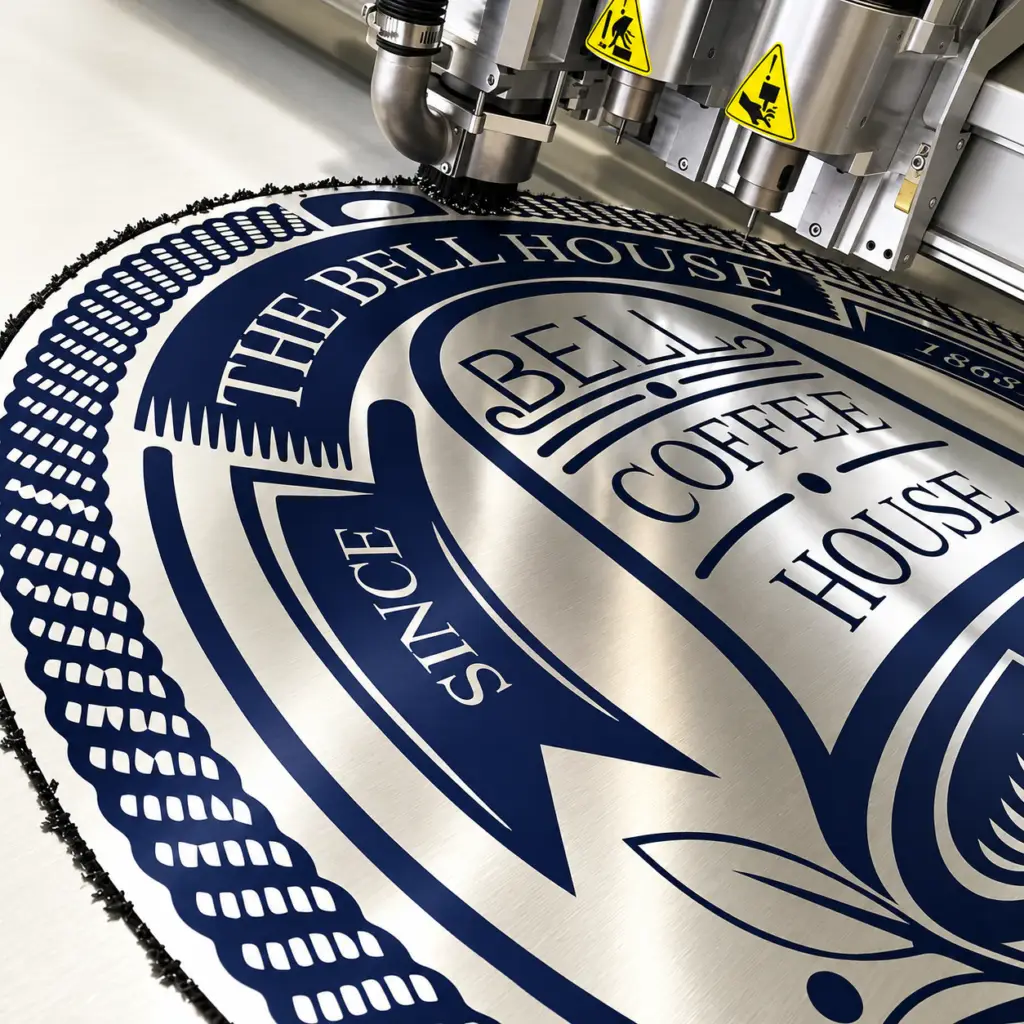
Dibond is a premium aluminium composite material (ACM) made from two thin aluminium sheets bonded to a solid polyethylene core. It offers excellent rigidity, a smooth finish and impressive durability, making it a popular choice for professional business signage.
Dibond is particularly well suited to outdoor applications where signs need to withstand changing weather conditions while maintaining a high-quality appearance.
Benefits of Dibond Signs
Excellent durability: Suitable for long-term outdoor use when correctly specified and installed.
Professional finish: Provides a smooth, premium surface for printed graphics or applied vinyl.
Lightweight yet rigid: Easier to handle than solid aluminium while offering excellent strength.
Weather resistant: Performs well in outdoor environments, including exposure to rain and wind.
Versatile: Can be cut, shaped and fabricated to create a wide range of bespoke signage.
What Is Dibond Best Used For?
Dibond is an excellent choice for:
Shop fascia signs
Business entrance signage
Car park signs
Commercial property signs
Outdoor advertising boards
Directional and wayfinding signage
Building identification signs
Our recommendation: If you’re looking for a long-lasting, professional outdoor sign, Dibond is often the best choice of the three materials.
What Is Foamex Signage?
Foamex is a lightweight, rigid PVC foam board that offers a smooth surface for high-quality printing. Despite its name, Foamex isn’t soft or flexible like traditional foam. It’s a solid, versatile material commonly used for indoor displays and promotional signage.
Available in various thicknesses, Foamex is an affordable option for businesses looking for attractive signage without the higher cost of aluminium composite.
Benefits of Foamex Signs
- Cost-effective: A budget-friendly alternative to aluminium composite signage.
Lightweight: Easy to transport, handle and install.
Excellent print quality: Its smooth surface allows for vibrant, detailed graphics.
Easy to customise: Can be cut into different shapes and sizes.
Versatile: Suitable for a wide variety of indoor and shorter-term outdoor applications.
What Is Foamex Best Used For?
Foamex is commonly used for:
Indoor wall signs
Retail promotional displays
Exhibition graphics
Point-of-sale signage
Office signage
Information boards
Temporary outdoor signs
Event signage

Foamex can be used outdoors, although it may be more susceptible to expansion, warping and weather-related deterioration than Dibond, particularly on larger panels or in exposed locations.
Our recommendation: Foamex is ideal for indoor signage and cost-effective promotional displays where a professional printed finish is important.
What Is Correx Signage?
Correx is a lightweight, corrugated polypropylene board widely used for temporary signage. Its distinctive fluted structure makes it economical, easy to handle and suitable for short-term outdoor applications.
If you’ve ever seen an estate agent board, construction site notice or promotional sign attached to a fence, there’s a good chance it was made from Correx.
Benefits of Correx Signs
Budget-friendly: One of the most economical options for temporary signage.
Extremely lightweight: Easy to transport, distribute and install.
Water resistant: Suitable for temporary outdoor use.
Easy to install: Can be fixed to fences, posts and other suitable surfaces.
Ideal for bulk orders: A practical solution when multiple signs are required.

What Is Correx Best Used For?
Correx is particularly popular for:
Estate agent boards
Construction site signage
Temporary directional signs
Event signage
Promotional advertising boards
Building development signs
Temporary safety notices
Seasonal advertising campaigns
While Correx performs well for temporary applications, it doesn’t offer the same rigidity, premium appearance or long-term durability as Dibond.
Our recommendation: Correx is the perfect choice for temporary, lightweight and budget-conscious signage, particularly when ordering multiple signs.
Dibond vs Foamex vs Correx: What's the Difference?
Although all three materials can be used to produce high-quality printed signs, each offers different benefits depending on the intended application.
| Feature | Dibond | Foamex | Correx |
|---|---|---|---|
| Material | Aluminium composite | PVC foam board | Corrugated polypropylene |
| Durability | Excellent | Good | Best for temporary use |
| Outdoor suitability | Excellent | Short to medium term, depending on conditions | Temporary |
| Weight | Lightweight | Lightweight | Very lightweight |
| Rigidity | High | Medium to high, depending on thickness | Lower |
| Appearance | Premium, smooth finish | Smooth printed finish | Fluted board |
| Relative cost | Higher | Mid-range | Lower |
| Best application | Permanent business signage | Indoor and promotional signage | Temporary advertising |
Performance and suitability depend on panel thickness, dimensions, exposure, printing method and installation.
Which Sign Material Is Best for Outdoor Use?
If your signage will be installed outdoors, it’s important to consider how long it needs to last and the conditions it will be exposed to.
For permanent outdoor signage, Dibond is generally the strongest option. Its aluminium composite construction provides excellent rigidity and weather resistance, making it ideal for shop fascias, commercial buildings and external wayfinding.
Foamex can also be used outdoors, particularly for smaller signs or shorter-term applications. However, it may not be the best choice for large panels or exposed environments.
Correx is best suited to temporary outdoor advertising, such as construction signs, event directions and promotional campaigns.
Which Sign Material Is the Most Cost-Effective?
The most cost-effective material isn’t necessarily the cheapest to purchase. It’s the one that offers the best value for your intended application.
For example, if you need a sign for a weekend event, investing in Dibond may be unnecessary when Correx can achieve the same purpose at a lower cost.
However, if you’re installing a permanent sign outside your business, choosing a more durable material such as Dibond could save money over time by reducing the need for replacement.
Foamex sits between the two, offering an excellent balance of affordability, versatility and visual quality for indoor and promotional applications.
At PB Signs, we can advise on the most suitable materials for your project, helping you achieve the right balance between quality, durability and budget.
Can Dibond, Foamex and Correx Be Custom Printed?
Absolutely! All three materials can be produced with bespoke graphics, branding, colours and designs.
At PB Signs, we use professional large-format printing technology to produce vibrant, high-quality signage for businesses across the UK.
Depending on the material and application, graphics can be printed directly onto the board or produced using specialist printed vinyl.
We can also cut materials into bespoke shapes and sizes, allowing you to create signage that goes beyond a standard rectangular board.
Whether you need a single branded sign or hundreds of promotional boards, our in-house production capabilities allow us to maintain consistent quality across your order.
Need Help Choosing the Right Signage Material?
Choosing between Dibond, Foamex and Correx ultimately comes down to three key factors: where your sign will be displayed, how long you need it to last and your available budget.
At PB Signs, we’ve been designing, printing and manufacturing bespoke signage since 2009. From our production facility in Malvern, Worcestershire, we provide signage solutions for businesses, schools, retailers, construction companies and organisations throughout the UK.
Our experienced team can help you choose the most suitable materials, finishes and fixing methods to ensure your signage looks professional and performs as expected.
Looking for bespoke business signage?
Explore our range of Dibond Signs, Foamex Signs and Correx Signs, or get in touch with the PB Signs team to discuss your next project.